

Much of the animal welfare software market assumes rescue means cats and dogs. That leaves reptile rescues, rabbit rescues, bird rescues, farm animal sanctuaries, wildlife-adjacent organizations, and mixed-species rescues trying to squeeze their work into fields that were never designed for them.
Taxonomy is not a cosmetic detail. It shapes intake, care planning, public listings, medical reminders, foster matching, adoption screening, and reporting. If the software starts with the wrong animal model, the workflow will keep fighting the rescue.
Why Taxonomy Affects Welfare
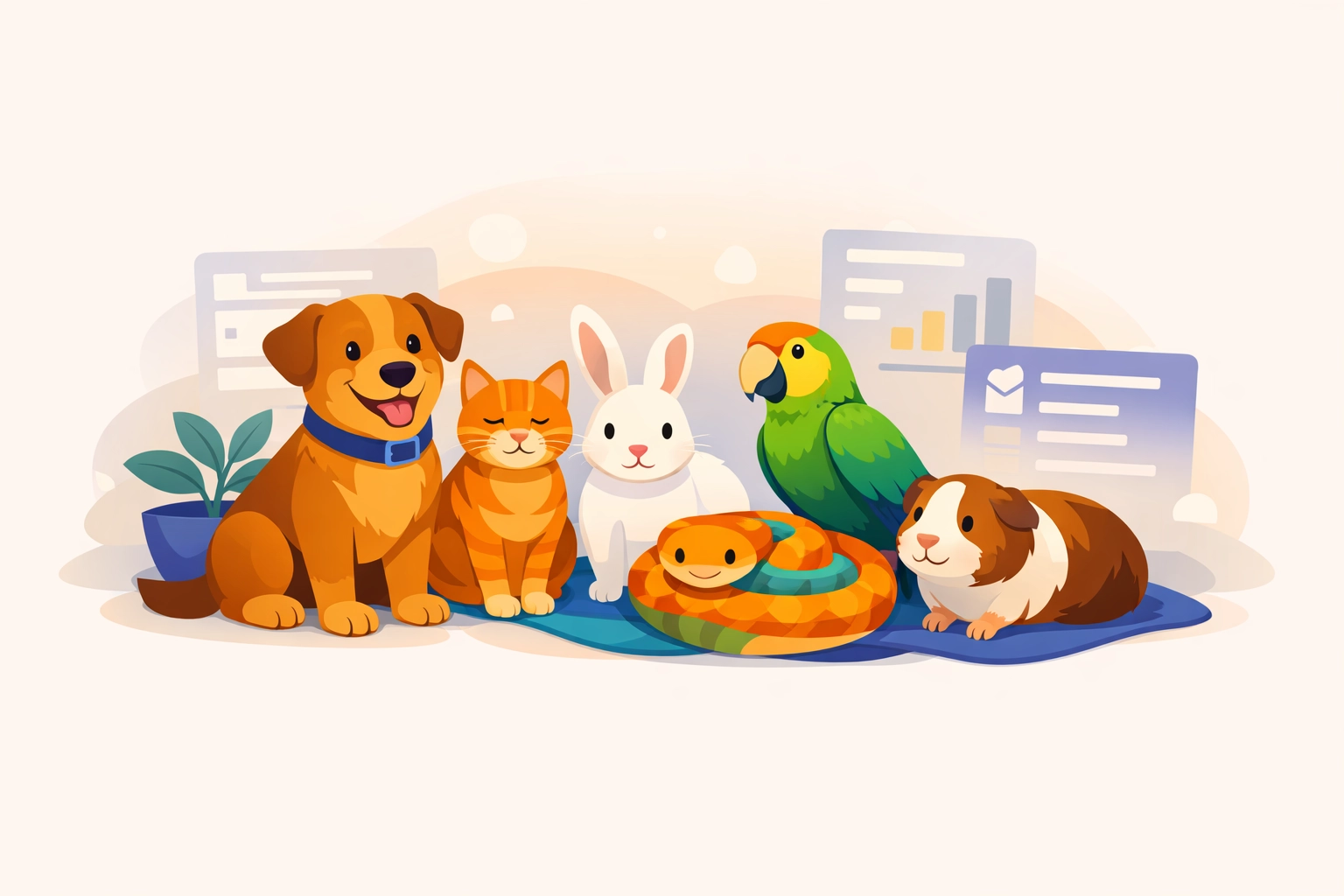
Species-aware records help teams ask the right questions. A rabbit intake may need housing, diet, and spay/neuter context. A snake surrender may need enclosure, heat, feeding, and handling history. A parrot may require noise, enrichment, and long-term placement considerations. Those details are not edge cases to the rescues that handle them every day.
What an All-Animal System Should Support
- Species and common name are both useful: a ball python, bearded dragon, rabbit, parrot, goat, and guinea pig should not be forced into a dog/cat pattern.
- Care workflows can differ by taxonomy: quarantine, diet, enclosure, heat, vaccination, spay/neuter, and handling needs are not universal.
- Public listings should use words adopters understand while preserving accurate internal records for staff.
- Reporting should preserve category detail without making mixed-species rescues rebuild their data by hand.
Mixed-Species Rescues Need Consistency and Flexibility
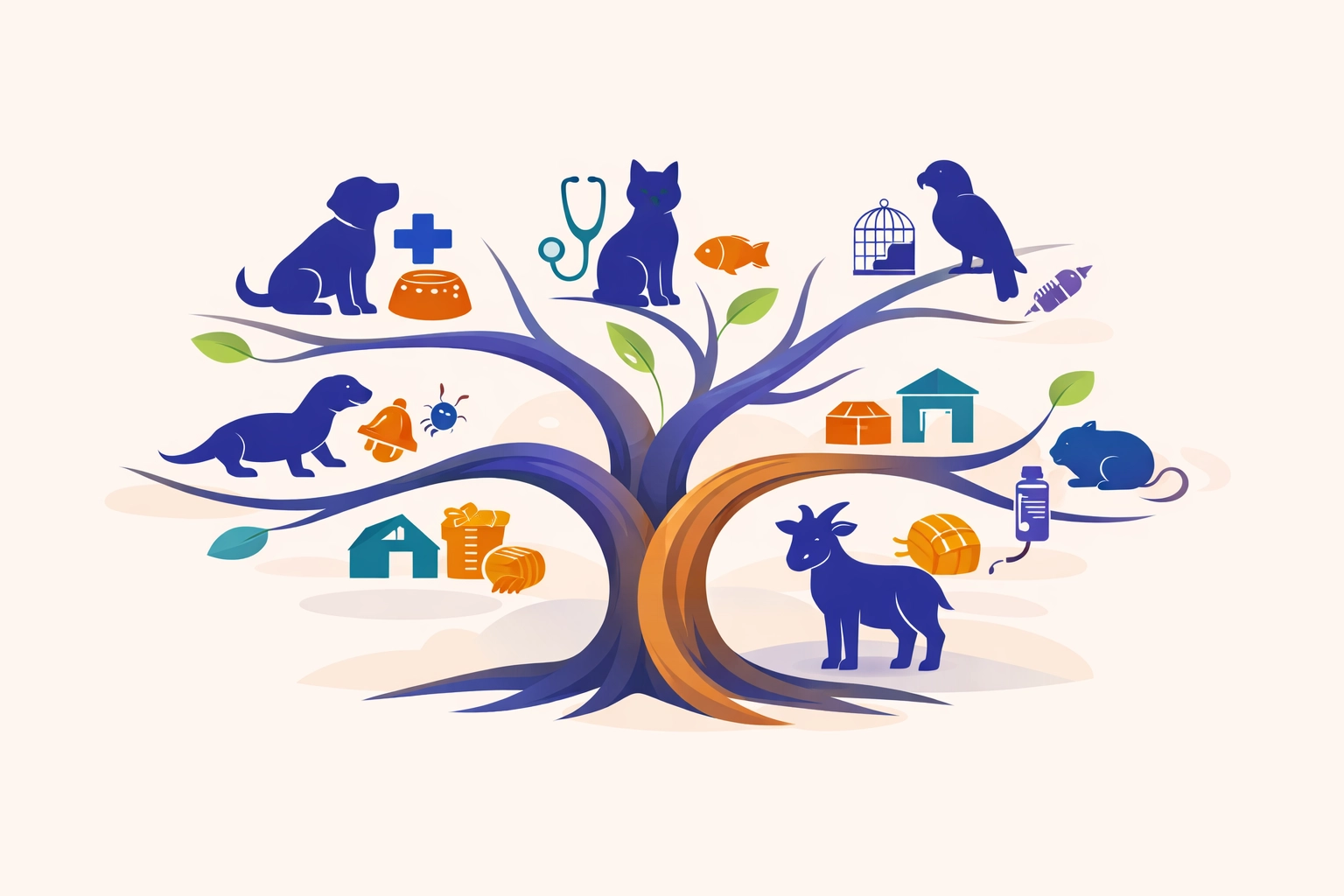
A rescue may handle dogs, reptiles, rabbits, birds, and small mammals in the same year. Staff still need one coherent view of intake, medical status, foster placement, adoption readiness, and outcomes. The trick is to share the operational spine while adapting the care details to the animal.
That is what a good taxonomy enables: consistent workflows where consistency helps, and species-specific detail where welfare demands it.
The Bottom Line
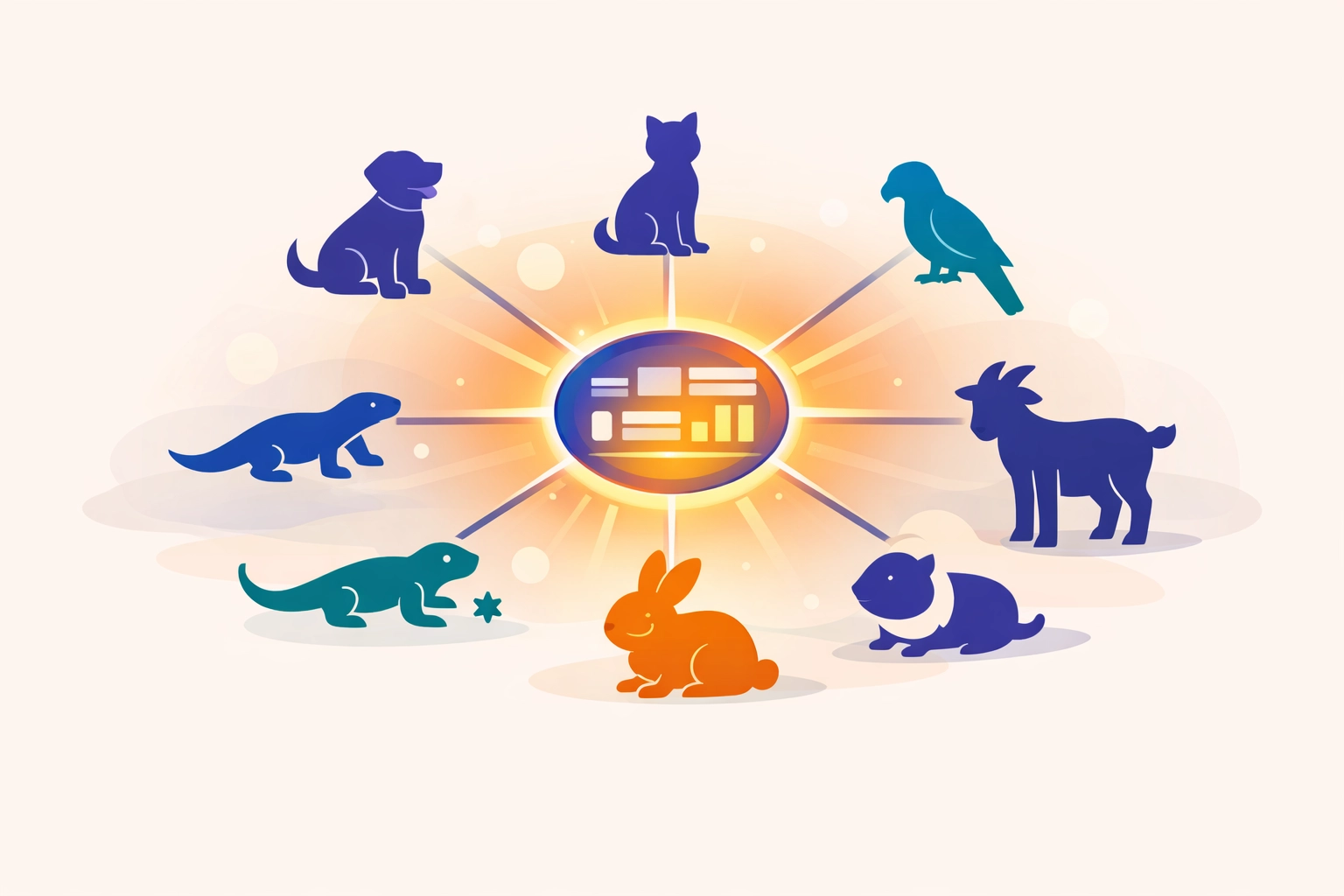
Rescue work is broader than the software market often admits. An all-animal taxonomy is not a niche feature; it is a statement that every animal deserves records, workflows, and public visibility that fit their needs.